

🎯 Today’s Mission:
To successfully complete today’s mission:
- ✅ XYZ.
- ✅ [OPTIONAL] Share with us, in the <FB Group>, XYZ.
- ✅ Complete the form at the bottom of the page when done.
💡 More Info:
Yesterday on Day 2, we had a look at the different dimensions of Deep Health and how signs of burnout can show up in each one.
The sooner you’re able to identify burnout, the sooner and better you can recover from it.
Today, we want to look at what might be causing burnout for you.
☔ Stressors vs ❇️ Deep Health
Burnout happens when the demands in our lives consistently outweigh what we’re able to handle.
These demands are called “Stressors”.
A stressor can be real and external (such as breaking a leg or being in an extremely cold environment) or perceived and internal (such as not feeling appreciated or experiencing a threat to our ego).
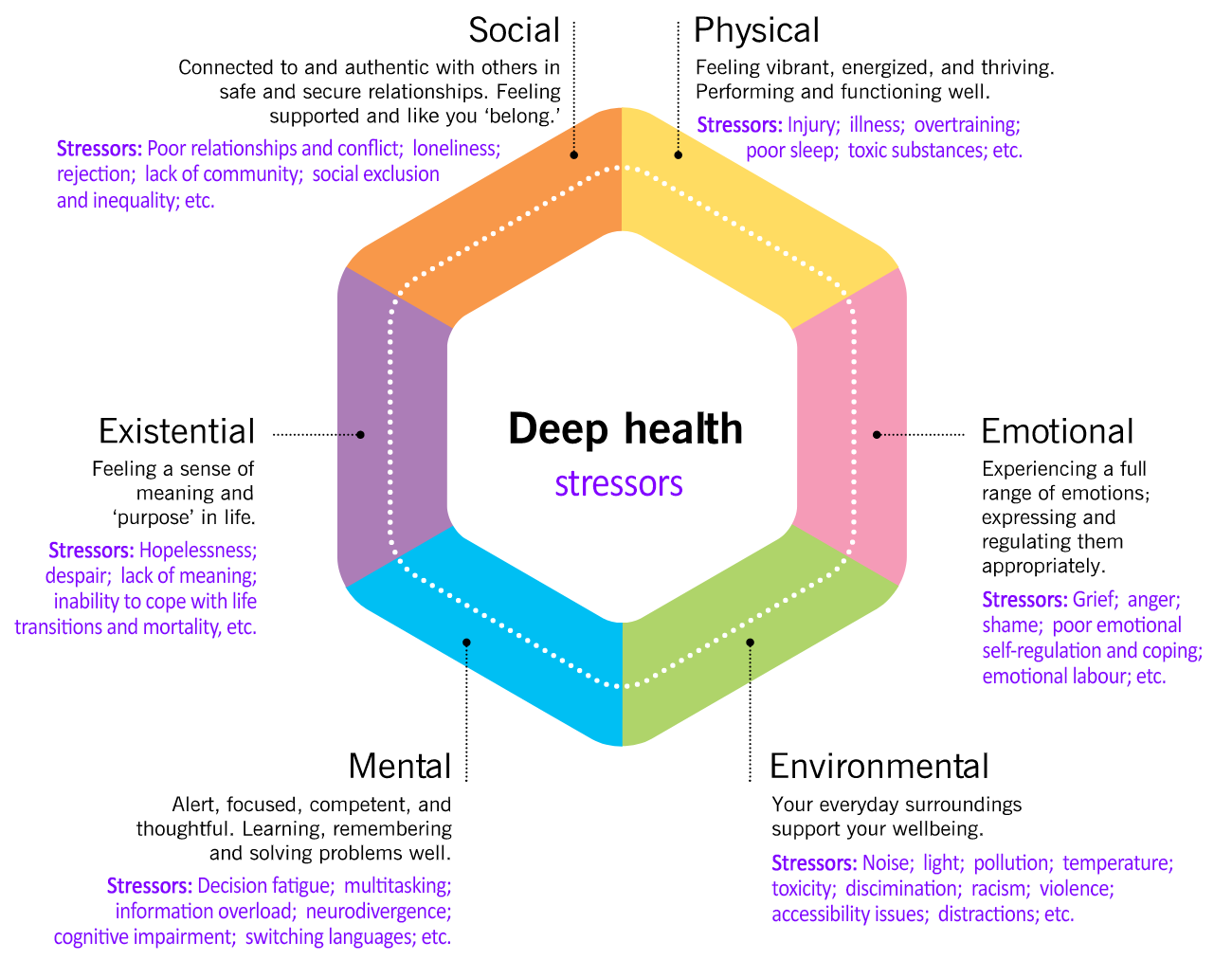
As you can see, some examples of what might cause burnout in different areas of Deep Health are:
💃 Physical
- ❇️ Deep Health: Feeling vibrant, energised, and thriving. Performing and functioning well.
- ☔ Stressors: Injury; illness; overtraining; poor sleep; toxic substances; etc.
😍 Emotional
- ❇️ Deep Health: Experiencing a full range of emotions; expressing and regulating them appropriately.
- ☔ Stressors: Grief; anger; shame; poor emotional self-regulation and coping; emotional labour; etc.
🌍 Environmental
- ❇️ Deep Health: Your everyday surroundings support your wellbeing.
- ☔ Stressors: Noise; light; pollution; temperature; toxicity; discrimination; racism; violence; accessibility issues; distractions; etc.
🧠 Mental
- ❇️ Deep Health: Alert, focused, competent, and thoughtful. Learning, remembering, and solving problems well.
- ☔ Stressors: Decision fatigue; multitasking; information overload; neurodivergence; cognitive impairment; switching languages; etc.
🧘 Existential
- ❇️ Deep Health: Feeling a sense of meaning and “purpose” in life.
- ☔ Stressors: Hopelessness; despair; lack of meaning; inability to cope with life transitions and morality; etc.
👥 Social
- ❇️ Deep Health: Connected to and authentic with others in safe and secure relationships. Feeling supported and like you “belong”.
- ☔ Stressors: Poor relationships and conflict; loneliness; rejection; lack of connection; social exclusion and inequality; etc.
Stressors can come in all shapes and sizes. Although there are usually 1 or 2 really big stressors that really make us feel burned out, usually there are a bunch of little stressors that can add up and contribute.
You might be struggling with a large stressor, like illness or financial stress, but it could be the smaller stressors like lack of sleep, loneliness, or information overload that make dealing with those larger stressors so much more difficult.
What CAN You 🕹️ Control?
There are some stressors that we can’t do much about. It’s just life and we have to persevere through it.
But, there might be other smaller stressors that we can take away or solve.
Remember, burnout happens when the demands in our lives consistently outweigh what we’re able to handle. These demands are cumulative and they all add up.
So, let’s lighten the load a bit by focusing on what is within our control.
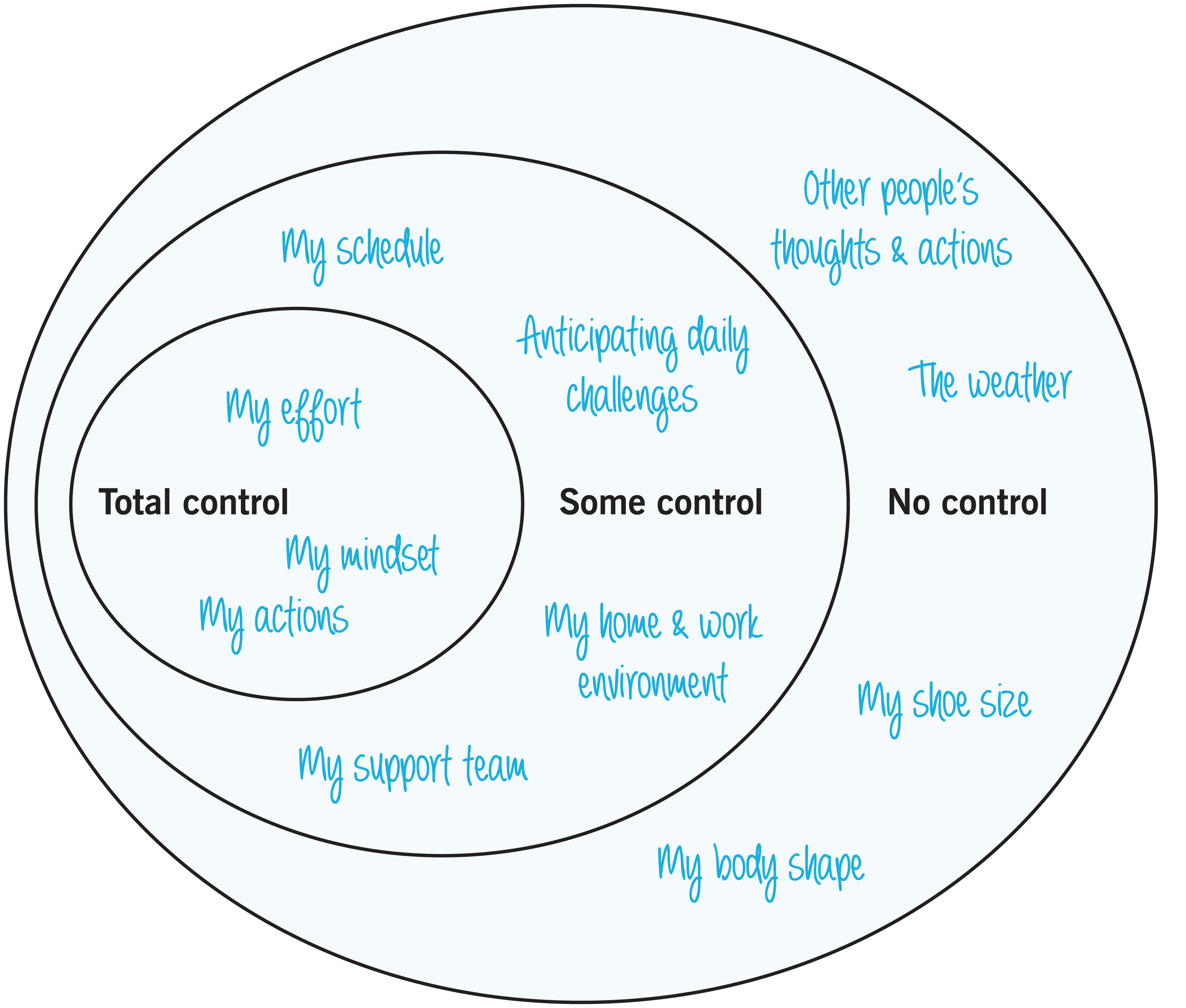
Thinking about where different stressors lie within your “Sphere of control” can help you identify where best to focus your energy.
For instance, worrying about sleep issues that are out of your control (such as noisy neighbours or being a new parent) is less useful than focusing on small daily actions you can control (such as improving your sleep quality by cutting down on caffeine or making your room darker and colder).
- What stressors in your life do you have total control over?
- What do you have some control over?
- What do you have no control over?
Below is your own version of this worksheet that you can fill out if you wish:
We encourage you to go deep with this exercise.
Don’t just think about the most obvious stressors that come to mind, spend some time looking for and thinking about the less obvious stressors too.
Find those small little “straws that broke the camel’s back” kind of stressors.
Maybe lightening the load when it comes to stressors means avoiding situations that you know will end in conflict with friends or family. Maybe it means spending less time doom scrolling on social media and reading bad news articles. Maybe it means saying “No” to someone so that you can carve out a little bit of me-time (remember, you can’t pour from an empty cup so it’s not selfish to take time to recover).
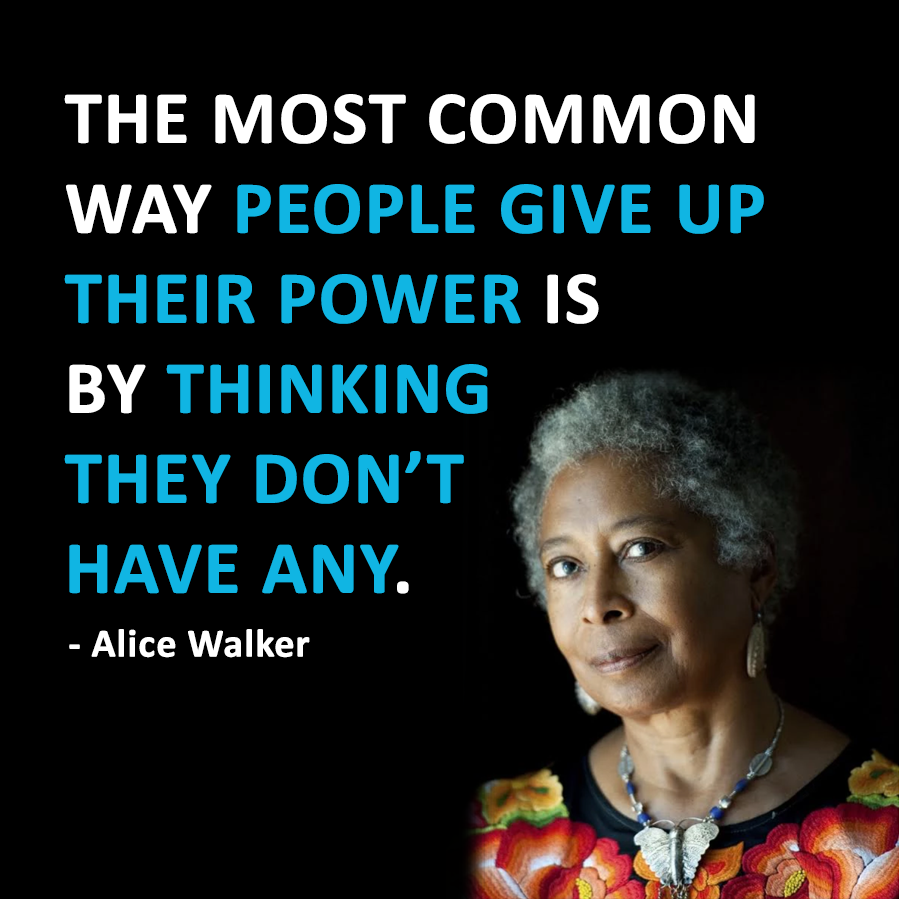
Don’t let yourself get stuck thinking that you have no control.
✅ Mission Accomplished?
Fill in the form below once you’re done to keep track of your progress.
<FORM>
You must be logged in to post a comment.